
This article goes into detail on how to start a food blog. Before reading this article, you’ll want to set up your primary blog. For the basics of starting a new blog of any kind (including a food blog). check out my free blogging tutorial firstand then come back to this article.
If you have a passion for cooking or exploring new culinary destinations, food blogging can be a fun and affordable way to become part of an active community of others who share your favorite hobby. If you have good writing skills, there’s no reason why you can’t succeed in this increasingly popular niche, especially if you focus on a specific niche and a carefully targeted audience.
Like many other popular niches like travel or fashion, food is a broad subject and with the right approach and a well-designed plan, you should be able to find your unique voice and fill a gap in the market. Food blogging isn’t just about posting recipes: other content, such as restaurant reviews, tips and tricks, shopping guides, and even purely visual content can find a place in a successful blog.
Why Start a Food Blog?
There are many pros and cons to starting a food blog, but with the right approach, many of the disadvantages can be seen as advantages. Everyone’s tastes are very different when it comes to food, so you’ll be dealing with praise and criticism in more or less equal measure, but it’s a very social topic that people love to talk about. Most importantly, food blogging is the perfect complement to your hobby as it encourages you to experiment more in the kitchen and expand your knowledge on the subject. You’ll get ideas and inspiration during your research, as well as through the comments your readers leave on the posts. Once your blog is widely known, you may even have businesses offering you free food in exchange for a post. Alternatively, you can even use your website as a base to pursue other opportunities, such as writing a cookbook or writing for a newspaper or magazine.
Who should publish a food blog?
Some people are great writers and others are great cooks or food connoisseurs, but you don’t have to be either to have a successful food blog. You need a real passion for your hobby that will keep you cooking and sharing your experience with your readers. You can often combine food with another niche, such as travel or lifestyle, to narrow your focus for a wider reach.
Starting a food blog is pretty much the same in terms of the more technical aspects like registering a web address and setting up WordPress. start any other blog. However, unlike some niches, food is particularly visual in nature. If you’re planning to showcase your recipes and ideas, you’ll really need to hone your photography skills, because you can’t just upload images from anywhere else on the Internet. You should also clearly define your target audience and avoid deviating from your established plan. Finally, and most importantly, you need to keep cooking so that your readers have fresh content on a regular basis.
How to Start Your Food Blog
Once you’ve decided on a specific topic to blog about, you’ll be ready to register your domain name and purchase a hosting package. To increase your visibility in search engines, make sure you choose a short and relevant domain name that people will not have trouble remembering. A great domain name description for your food blog should be creative as well. For more information on finding a good blog name, see step 1 of my guide.
Having a self-hosted WordPress site is the best option for starting a blog. Powering nearly a fifth of all websites, WordPress is the most popular and user-friendly publishing platform for bloggers. It has numerous themes and plugins and is completely free thanks to its open source nature. To make things easier, many great hosting companies like Bluehost offer a one-click WordPress hosting service that will get your blog up and running as soon as you register a domain and choose your hosting package.
A self-hosted WordPress blog provides numerous benefits, including great customization options. In fact, WordPress is not only used for blogs but also for e-commerce stores, online news portals, static web pages and many more. Open source and frequently updated WordPress sites also perform well in search engines. You can further enhance the search engine optimization (SEO) capabilities of the platform by installing the free WordPress SEO plugin by Yoast. Just make sure you always keep the platform and the themes and plugins you use up to date. When new updates are available, you will receive an alert in your admin panel.
Recommended Topics for Your Food Blog
Once you’ve got WordPress up and running, you’ll be ready to customize your site and publish content, but before you get started, you might want to improve its user experience and give it a different look and feel by choosing the perfect theme. There are thousands available, including a number of premium themes. The sheer number of options can make it difficult to find the right theme, so experiment a bit. Most importantly, always stick to responsive themes that automatically scale to different screen sizes so that your blog is user-friendly and easily readable on all Internet-connected devices. If you’re struggling to find a suitable theme for your food blog, take a look at the following for inspiration:
Food Blog
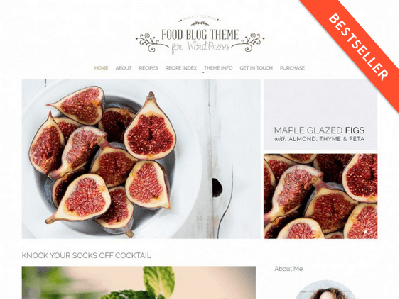
One of the few premium themes designed specifically for food bloggers, the Food Blog theme is fully responsive and built using the latest HTML5 technology. It also comes with a Recipe Card plugin that can help significantly when it comes to food-related keyword optimization.
Edition
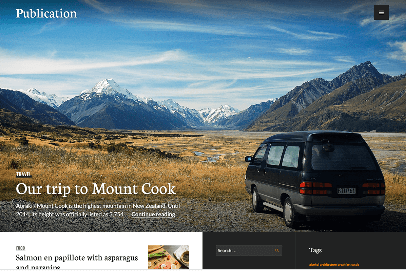
While this free theme for WordPress is suitable for a wide variety of lifestyle niches, the large header it provides makes it great for food bloggers looking for a magazine-style design with an eye-catching header image. It has a highly visually oriented yet comfortable responsive design.
Foodeez Lite
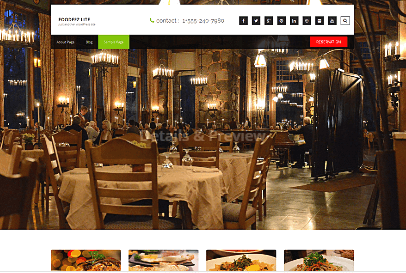
Although designed with restaurants, hotels and other such venues in mind, the highly visual nature of Foodeez Lite makes it a great choice for food blogging, especially those involved with image slideshows and other visual content. It features a full-width header image and thumbnail previews for posts.
iCook
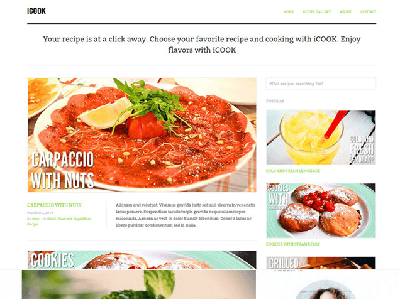
With plenty of space to help you showcase your posts and recipe photos, this premium theme comes with a filterable recipe gallery and a sidebar widget to automatically display your most popular recipes. It is also widely customizable and responsive.
Zylyz
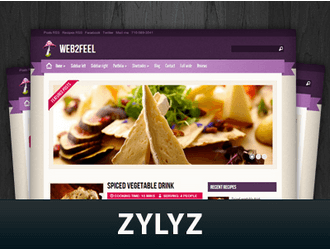
A free theme designed specifically with food bloggers in mind, Zylyz is a great choice for any recipe website. You can display large images of your custom recipes in the slideshow header, and it allows you to create custom post types, taxonomies, and meta box data.
Recommended plugins for your food blog
Plugins can improve the functionality of your blog in a number of ways. While there are some plugins that every blog should have, such as WordPress SEO, XML Sitemaps, and W3 Total Cache, there are a few others that are especially suited to food blogs:
WP Ultimate Recipe
The aptly named WP Ultimate Recipe is one of the most popular free plugins for food bloggers. It provides everything you need to add recipes to posts, and you can post multiple recipes in the same post using shortcodes. You can also add ingredients, courses and types of cuisine to your tag cloud widget.
Pinterest Pin It Button for images
This small and simple plugin provides essential functionality for your blog in the form of a Pin It button on your images. Instead of relying solely on social sharing buttons below posts, this plugin allows visitors to share images on Pinterest by simply clicking on them.
Nextgen Gallery
Being a visually demanding theme, any plugin that helps improve images and the way they are displayed can be very useful for a food blog. Nextgen Gallery is a powerful tool for uploading and managing your image collections, as well as displaying them as slideshows or thumbnails to accompany your posts.
Unit converter
A successful food blog usually targets a global audience, making it important to provide both metric and imperial measurements. This plugin automatically detects the units of measurement written in your posts and will automatically convert them when readers click on them.
Promotion of your blog
Starting your food blog is only the first part of the battle. You will need to focus on providing regular quality content to your readers and promoting your blog. Being a master of visual social media sites like Instagram and Pinterest is especially important at this point, and you should be actively involved in both to give yourself the best chance of success. Check it out Step 6 of my guide for more information on how to promote your blog.